Showing posts with label r22. Show all posts

Wednesday, January 15, 2014

All Of Your Refrigerant Needs Under One Roof

WE BUY:
R11, R12, R13, R22, R113, R114, R115, R23, R134a, R400, R500, R502 & R503. Shipping documents are provided and most cases the freight cost is paid by A-Gas RemTec. We can provide recovery cylinders for easier transaction.

WE SELL:
R11, R12, R22, R113, R114, R123, R125, R134a, R404A, R407C & R410A. Variety of tanks and quantities available for immediate shipment.

TANK REFURBISHMENT:
Complete DOT certified tank refurbishing located within our facility in Bowling Green, Ohio.

CONSIGNMENT PROGRAM:
A-Gas RemTec can provide the refrigerants you need at your facility at no immediate cost to you. You pay for what you use monthly and offset that cost by sending in your reclaim. Simple. Quick. Effortless.


Contact A-Gas RemTec for all of your refrigerant needs.
Cradle to Grave all under one roof, A-Gas RemTec.
1100 Haskins Road
Bowling Green, Ohio 43402 USA
419-867-8990
1-888-873-6832 toll free

www.remtec.net

Monday, September 16, 2013

Safeway Must Fix Ozone-Depleting Refrigerant Leaks Nationwide

WASHINGTON, DC, September 5, 2013 (ENS) – Safeway, the second largest U.S. grocery store chain, has agreed to pay a $600,000 civil penalty and implement a corporate-wide plan to reduce its emissions of ozone-depleting substances from refrigeration equipment at 659 of its stores in a settlement of alleged violations of the federal Clean Air Act.

The settlement, estimated to cost approximately $4.1 million, involves the largest number of facilities to be brought into compliance under the Clean Air Act’s regulations governing refrigeration equipment.

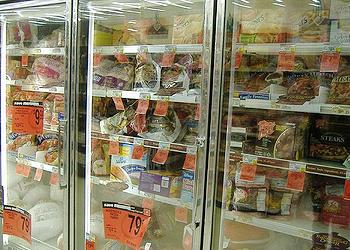
freezer
Freezer in a Safeway store, Portland, Oregon (Photo by Heather)

“This first-of-its-kind settlement will benefit all Americans by cutting emissions of ozone-depleting substances across Safeway’s national supermarket chain,” said Robert Dreher, acting assistant attorney general for the Justice Department’s Environment and Natural Resources Division. “It can serve as a model for comprehensive solutions that improve industry compliance with the nation’s Clean Air Act.”

The settlement agreement resolves allegations by the U.S. Environmental Protection Agency and Justice Department that Safeway violated the Clean Air Act by failing to promptly repair leaks of the hydro-chlorofluorocarbon HCFC-22, a common refrigerant used by supermarkets that is a greenhouse gas and an ozone-depleting substance.

The grocery chain also failed to keep adequate records of the servicing of its refrigeration equipment, the government agencies allege.

EPA regulations issued under Title VI of the Clean Air Act require that owner or operators of commercial refrigeration equipment that contains over 50 pounds of ozone-depleting refrigerants, and that has an annual leak rate greater than 35 percent repair such leaks within 30 days.

HCFC-22 is up to 1,800 times more potent than carbon dioxide in terms of global warming emissions. The measures that Safeway has committed to are expected to prevent over 100,000 pounds of future releases of ozone-depleting refrigerants that destroy the ozone layer.

Safeway will now implement a corporate refrigerant compliance management system to comply with stratospheric ozone regulations.

Under the settlement, Safeway has agreed to reduce its corporate-wide average leak rate from 25 percent in 2012 to 18 percent or below in 2015. The company will reduce the aggregate refrigerant emissions at its highest-emission stores by 10 percent each year for three years.
“Safeway’s new corporate commitment to reduce air pollution and help protect the ozone layer is vital and significant,” said Cynthia Giles, assistant administrator for EPA’s Office of Enforcement and Compliance Assurance.

“Fixing leaks, improving compliance and reducing emissions will make a real difference in protecting us from the dangers of ozone depletion, while reducing the impact on climate change,” said Giles.

HCFCs deplete the stratospheric ozone layer, which allows dangerous amounts of cancer-causing ultraviolet rays from the sun to strike the Earth, leading to adverse health effects that include skin cancers, cataracts, and suppressed immune systems.

“The impact of ozone depletion is a global phenomenon, and the health and environmental harm as a result of Safeway’s emissions do not have particularized impact on communities near stores where the violations occurred,” explains the EPA. “However, all citizens may be more susceptible to skin cancers, cataracts and immune system suppression as a result of violations like these.”

Under the Montreal Protocol, an international treaty, the United States is implementing strict reductions of ozone-depleting refrigerants, including a production and import ban on HCFC-22 by 2020.

The settlement is part of EPA’s national enforcement initiative to control harmful air pollution from the largest sources of emissions, including large grocery stores.

EPA’s GreenChill Partnership Program works with food retailers to reduce refrigerant emissions and decrease their impact on the ozone layer and climate change by transitioning to environmentally friendlier refrigerants, using less refrigerant and eliminating leaks, and adopting green refrigeration technologies and best environmental practices.

Safeway, headquartered in Pleasanton, California has 1,412 stores in the United States and 2012 revenues of $44.2 billion. Safeway operates companies under the banner of Vons in southern California and Nevada, Randalls in Texas, and Carrs in Alaska.

The settlement was lodged Wednesday in the U.S. District Court for the Northern District of California, and is subject to a 30-day public comment period and final court approval. It will be available for viewing at www.justice.gov/enrd/Consent_Decrees.

Tuesday, August 27, 2013

End Of The Season Reduction Sale

End Of The Season Reduction Sale

Available for immediate shipment. Special pricing in place on a ½ pallet minimum of R134a, R404A, R407C and R410A.

Stock up for the 2014 season with the reduced cost of R134a, R404A, R407C and R410A. This pricing will not last long with shipping cost included. Contact A-Gas RemTec Today For the Special Pricing 1-888-873-6832.

A-Gas RemTec also reclaims used refrigerants; our specialized equipment and expertise allow us to offer a complete reclamation and product stewardship package for refrigerant users.

We purchased used R-11, R-12, R-13, R-22, R-113, R-114, R13b1, R-400, R-500, R-502, R-503

Depending on your needs, our Refrigerant Program features
·        Pickup of recovered refrigerants within 24 hours
·        Acceptance of follow-purity R-22 to 90%
·        Free disposal of mixed and unusable refrigerants
·        All freight arrangements paid by A-GAS RemTec
·        Documentation is provided for your EPA record keeping
·        Recovery tank refurbishment & certification to DOT standards
·        Refrigerant banking and storage service

A-GAS RemTec is an EPA certified reclamation facility

Contact A-Gas RemTec Today for all of your refrigerant needs.
1-800-372-1301
419-867-3279/fax

Tuesday, August 13, 2013

German KBA Authority Offers New Report on AC Refrigerant Soap Opera

If the Daimler AG versus France air-conditioning refrigerant saga would be a book, this new information would be the chapter when the plot suddenly thickens.

As you all probably know by now, France has banned the sale of the Mercedes-Benz A-Class, B-Class and the CLA on their territory over the models' use of the R134a AC coolant, which will be outlawed by the European Union from 2017 for environmental reasons.

Germany's Federal Motor Transport Authority (KBA) recently issued a report of its findings following the subsequent testing of a number of cars that use the new R1234yf air conditioning coolant, which is set to replace the old R134a.

Their conclusion? The new refrigerant - which has been ostracized by Daimler AG following over 100 in-house test that proved it possesses an increased fire risk during certain types of head-collisions – is more hazardous than the old one, but it doesn't comprise a serious danger.

“Due to the comparisons with the previous refrigerant 134a in Stage 3, one can ascertain that the safety level of cars tends to deteriorate when 1234yf is used,” the KBA report mentioned.

Although the report is kind of in line with France's stance in the matter, looking deeper in the details given it also appears that Daimler AG is not exactly the boy who cried wolf when there wasn't any wolf in sight.

Of the four cars tested by the KBA (A Mercedes-Benz B-Class, A Hyundai i30, Subaru Impreza and an Opel Mokka) one of them burst into flames and also emitted a pretty considerable amount of the highly toxic hydrogen fluoride gas.

According to the report, quoted by Reuters, “non-negligible” amounts of the gas were detected in two of the other cars being crash tested, but the coolant itself only ignited in one test. In other words, for the time being, everyone is right about the matter. A more comprehensive final report will be released in mid-september, while the EU officials will obviously have the final word. Our say? Why don't you check out our editorial to find out a more personal opinion.

Tuesday, July 30, 2013

A-Gas RemTec’s Total Solutions Program Provides Complete Cradle-to-Grave Refrigerant Management

BOWLING GREEN, Ohio -- 
Founded in 1986, as RemTec International, A-Gas RemTec, has provided products and services involved in managing Ozone Depleting Substances (ODS) and substances high in Global Warming Potential (GWP) on a worldwide basis. The Company’s patented and proprietary equipment is used to recover and reclaim Halons and their replacement agents used in the fire protection industry, and also CFCs, HCFCs, and HFCs used in refrigerant and HVAC applications.
A-Gas RemTec’s capabilities represent a complete cradle-to-grave refrigerant management program known as the Total Solutions™ Program. The Total Solutions™ Program provides the only complete cradle-to-grave refrigerant management service under one roof. The total integration of services from beginning to end provides many cost efficiencies that benefit customers.
The Total Solutions™ Program provides customers with access to a full product line of refrigerants, including supplies of R22 that can be provided throughout the transitional industry phase-out.. A-Gas, a market leader in the UK, Australia, South Africa, and now in the U.S., provides a full range of products at competitive prices. In association with their sister company, Coolgas, they have nationwide distribution capabilities for any refrigerants that may be needed.
A-Gas RemTec reclaims used refrigerants using full distillation processing to return mixed refrigerants to AHRI 700-12 standards. This provides greater cost efficiencies to customers by utilizing a higher degree of contaminated refrigerants causing fewer destruction costs and unusable refrigerants. Refrigerants considered un-reclaimable or unusable are accepted and destroyed at no cost. All unusable refrigerants are destroyed on-site at their Bowling Green, Ohio facility. A-Gas RemTec utilizes Plascon, which is plasma arc destruction technology. Competitive compensation is offered for refrigerants of value that meet purity criteria. A-Gas RemTec offers a fleet of cylinders and ISO Tanks that can be shipped to customers to aid in the recovery of refrigerants. Contrastingly, if a customer has a recovery tank that needs to be refurbished or recertified, A-Gas RemTec has a Department of Transportation Certified facility in Bowling Green, Ohio. As an added service, A-Gas RemTec maintains one of only three AHRI-certified laboratories in the U.S., providing one of the most accurate and integrated testing facilities for halocarbons. As an EPA Certified Reclamation Company, a complete disposition report on all materials processed is provided for customers to file with their EPA records.
Total Solutions™ Program offers a complete banking system to securely warehouse and manage the inventory of critical-use gases. A-Gas RemTec has built and managed strategic banking reserves for the U.S. Department of Defense and a major U.S. aircraft manufacturer. The Majority stockholder of A-Gas Group, Lloyds Development Capital (a division of Lloyds Banking Group, the largest financial institution in the UK), enables A-Gas RemTec the financial strength to meet any project requirements.
About A-Gas International
A-Gas is an international group of companies with headquarters in the United Kingdom. A-Gas is a market leader in the supply of refrigerants within its core territories in the U.K., South Africa, and Australia, and has state of the art storage, blending, packaging and reclamation facilities in Bristol, Cape Town, and Melbourne. The company is rapidly growing its market share in Asia and the Americas with sales offices in Singapore, Thailand, China and the USA. For more information, visitwww.agas.com.


About A-Gas RemTec
For more information, visit www.remtec.net.

Monday, June 17, 2013

Renewed interest in HC heat pumps in Europe – exclusive interview with D. Colbourne

The increasing availability in Europe of optimised R290 compressors for heat pumps is reviving interest in the technology. During the UNIDO ATMOsphere Technology Summit, hydrocarbons21.com interviewed Mr. Daniel Colbourne, Consultant at Re-phridge, about the historical development of hydrocarbon (HC) heat pumps and the current state of play in Europe.

hydrocarbons21.com: In the 1990s there were several hydrocarbon-based heat pump products for domestic application in the EU market, which subsequently disappeared. What in your view might have caused this?

Daniel Colbourne: There were many hydrocarbon (HC) heat pump products on the European market; Austria, Switzerland, Scandinavia and Germany, mainly from small and medium sized producers. But the EU Pressure Equipment Directive (PED) was introduced which basically states that the components and piping in the refrigeration system must be designed, tested and approved for that particular refrigerant (or refrigerant “group”). The PED requirements for flammable refrigerants are one level above those for the non-flammable, low toxicity fluid “group”, which includes refrigerants like R22.

Previously many companies were taking R22 compressors and adapting them for use with R290. So when the PED came into force it essentially meant that they could no longer utilise those R22 compressors; i.e., they could only use R290 compressors for R290. At the time there were no manufacturers producing the right type of R290 compressors and, since in order to certify compressors for R290, additional approval processes are necessary (which in some cases are costly), the size of the market was evidently not sufficient for manufacturers to justify it. For example, the person that is welding the compressors has got to have a higher level of certification, which implies additional investments for the compressor manufacturers.

So the heat pump manufacturers apparently had little choice, all they could do was to switch to an alternative which was not a flammable refrigerant. I would say that was the main reason for the decline. Given the extensive literature demonstrating the comparatively higher efficiency of R290 and the excellent safety record, it was not performance or hazardous aspects that were responsible.

A number of manufacturers continued with some R290 models (and still do today) in particular for smaller capacity units where R290 hermetic compressors normally used for commercial refrigeration are suitable. Nonetheless, this represents a relatively small portion of the market.

hydrocarbons21.com: In terms of performance and reliability, how were these R290 products performing?

Colbourne: With regards to reliability, when R22 compressors were initially used there were some problems. However, a study presented by a major German player on the development of their R290 heat pumps in 1999 stated that after optimisation of the compressor oil, the reliability of their R290 heat pumps was better than that of their R22 heat pumps. Of course, many companies are currently selling R290 heat pumps, which would not be the case were there reliability issues.

Throughout that period there were many studies published on the efficiency of hydrocarbons in heat pumps and most of them said that R290 performance was at least as good, typically much better than the other alternatives (for space heating purposes). Both the large volume of technical literature and publications from different manufacturers support this. Furthermore, when considering the thermophysical properties of HCs, it is fairly obvious; not only do the thermodynamic properties demonstrate this but also the excellent viscosity and thermal conductivity infers better component performance than most other fluorinated alternatives.

hydrocarbons21.com: More recently do you see a renewed interest in the use of hydrocarbons in heat pumps by European manufacturers?

Colbourne: In general we can see increasing pressure to use heat pumps in Europe as they are seen as a means for accelerating CO2 emission reduction. Within this context it seems rather daft to not use low-GWP refrigerants or particularly natural refrigerants for those types of products where they can be used. There are a fairly large number of manufacturers within Europe (but also Australia and China) that are currently using HCs (as well as other natural refrigerants). In this respect there is increasing interest in some quarters, but of course others are also resisting.

The safety issue is surely already addressed, since relevant safety regulations and standards are available and have been for many years.

hydrocarbons21.com: Heat pump manufacturers often state that the reason they do not offer HC-based heat pumps is that they cannot find optimised HC compressors or other components for the purpose. What would you recommend to the industry for overcoming this barrier?

Colbourne: On the compressor side, at least two major compressor manufacturers are now producing compressors specifically designed and optimised for R290 heat pump systems, implying that this barrier is now becoming resolved. Moreover, there are several companies that make other components, such as controls for hydrocarbons that can be used in heat pumps. These enterprises obviously see that there is a market and they would not invest large sums in the technology unless they had confidence in it.

Thursday, June 13, 2013

Industry Encourages Cap Use on Refrigerants

Industry Encourages Cap Use on Refrigerants

Recent Deaths Demonstrate Dangers of Huffing R-22
 
This past March, Kristal Salcido, a 12-year-old seventh grader in Victorville, Calif., inhaled HCFC-22 from an air conditioning unit in the backyard of her grandmother’s home. She was later found passed out on the bathroom floor. Rushed to the emergency room, Salcido was pronounced brain dead. Four days later, her family decided to take her off life support.
She had used the R-22 in a ritual called huffing — the intentional inhalation of chemical vapors to attain a mental high or euphoric effect.
Refrigerants such as CFCs, HCFCs, HFCs, and propane are just part of that chemical basket of inhalants. Others are gasoline, paint thinners, nail polish, and nitrous oxide. According to the website www.inhalants.org, one in five students has inhaled a chemical to get high by the eighth grade.

The Hazards of Huffing

In the case of the R-22, “When you inhale it, it kills your brain cells — that’s all,” said Ron Postoian, president of AC Plus Heating & Air of Hesperia, Calif., who was interviewed by television station KTLA for its story on a recent huffing fatality in his home state.
“People really don’t realize how dangerous this is,” said Dr. Craig Sanford, Tulsa, Okla., in a news report broadcast by NewsOn6. “Inhaling this substance prevents the body from getting oxygen and you can get frostbite from it, inside the tissues of your nose, mouth, and face.”
Postoian said that he’s serviced a number of condensing units where the refrigerant had suspiciously been used up.
That “missing refrigerant” aspect was echoed by Ryan Rentmeister, who owns Rentmeister Total Home Service of Salt Lake City. A few years ago in his hometown, people were turning on their air conditioners, but the machines were failing to provide cool air, due to absent refrigerant. “We’ve had four cases in the last week,” he said, suspecting huffing as the cause.
Ronda Szymanski of Advanced Air and Refrigeration Inc., Fort Myers, Fla., said a telltale sign is when service techs find a butter knife laying next to a central air conditioning condenser that has been depleted of refrigerant, with its service port visibly damaged.

Curbing the Problem

Regulators and many within the HVACR industry have been working hard to get a handle on this deadly situation. Both the International Mechanical Code 1101.10 and the International Residential Code M1411.6 have mandated that “refrigerant-circuit access ports located outdoors shall be fitted with locking-type tamper-resistant caps.”
Code requirements have been in place since 2009, but these requirements need to be codified by each state, said Gerry Spanger, director of HVACR engineered products for Rectorseal Corp.
So far, at least five states have adopted the codes, said Spanger. However, limiting more widespread acceptance, the codes are only related to new construction. He said eventually the codes will extend into retrofits and existing buildings. “It is not a question of ‘no, this won’t happen.’ It is just a question of how long it takes,” said Spanger.
Once state codes are in place, inspectors cannot sign off on a job until the locking caps are in place.
“The products are a must for companies and technicians to comply with local codes as well as liability concerns connected with refrigerants,” said Oscar Lopez, vice president of sales for JB Industries Inc., Aurora, Ill.
Spanger said that even as all the regulatory aspects eventually fall into place, there is still the possibility of abuse within the HVACR sector. He said he’d even heard of contractors buying the caps, locking them in place when required, and then removing them after an inspection for use in the next project.
“They don’t understand they are laying themselves open to liabilities,” he said.
He also said that even though the caps can only be sold to contractors who are U.S. Environmental Protection Agency (EPA)-certified to handle refrigerants, he had heard of instances of some wholesalers and contractors who sell the caps on websites, even though they may not be able to verify the certification status of the purchaser.
According to Jon Melchi, director of government affairs for Heating, Air-conditioning & Refrigeration Distributors International (HARDI), “Wholesalers and suppliers strongly believe that these products should not be available online. They should only be sold to licensed contractors. As an industry we must be diligent in making sure that the entire channel is aware of best practices regarding these products.”

Locked and Loaded

While controlling huffing remains a key aspect of locking caps, the devices have long been offered in the HVACR distribution channel for a number of applications. Even as regulations move toward the requirement of locking caps, the devices themselves are being fine tuned.
For example, this past February, Rectorseal Corp. introduced its GasGuard™, a tamper-resistant locking valve cap designed to help prevent refrigerant theft, leaks, and huffing. It screws and locks onto threaded refrigerant Schraeder valves.
“GasGuard restricts unauthorized access because it can only be installed or removed with a unique matching proprietary socket tool,” said Jerry Tomasello, director of marketing for RectorSeal. “It cannot be removed with a core remover or Allen wrench.”
JB’s Lopez also noted that his company is launching a new American-made refrigerant safety cap with greater security under the brand name The Shield.

Contractor Support

Numerous contractors, including Chase Tunnell, president, Dominion Service, Richmond, Va., are strong advocates of locking caps. For a number of years, Tunnell has been involved with the Substance Abuse Free Environment (SAFE) program, which encourages the use of locking caps.
“SAFE is still actively pushing it and Dominion Service is currently doing a public service campaign in the Hampton Roads, Va., area,” he said. “Our Richmond division has had huge success with the program but Hampton Roads has been a little slower to catch on. We are working on fixing that.
“We are currently installing 10-15 caps each week. We’re confident that number will increase significantly as the summer season hits.”


China to receive $385m to eliminate HCFCs

CHINA: Up to $385m is to be given to China to end its production of R22 refrigerant.

The money from the Montreal Protocol's Multilateral Fund is designed to help ensure the entire elimination of China's industrial production of ozone depleting substances by the 2030.

China has agreed to retire its current HCFC production capacity and will also retire surplus production capacity that is currently not utilized.

According to the Chinese, the total amount of HCFCs to be eliminated will prevent the emission of over 4,300,000 tonnes of HCFCs, equal to 300,000 tonnes in terms of its ozone depletion potential, and 8 billion tonnes of carbon dioxide equivalent greenhouse gas emissions.

With China being the largest producer and consumer of HCFCs, this is potentially the largest project approved so far under the Multilateral Fund since its inception.

China will close and dismantle its production lines producing only HCFCs for uses controlled under the Montreal Protocol and ensure that any HCFC plants that will receive funding do not switch to producing HCFCs as industrial feedstock, a use not controlled by the Montreal Protocol. China will also coordinate with stakeholders and make best efforts to manage HCFC production and associated by-product production in HCFC plants in accordance with best practices to minimize associated climate impacts.

Over the next four years China will receive US $95m to cover the first stage of its HCFC production phase-out management plan (HPPMP) to assist the country to meet the freeze in HCFC production by 2013 and the reduction by 10% by 2015 as required by the Montreal Protocol's HCFC phase-out programme.

The latest data shows that China produces 92% of the total HCFC production of developing countries.

While the announcement was welcomed by the Environmental Investigation Agency (EIA), there are concerns to ensure that HFC23, a hugely damaging by-product of production, is also destroyed.

EIA is calling on China to formally pledge to destroy the HFC23 from all Chinese HCFC production facilities, including facilities which produce HCFC for feedstock.

"Elimination of China's production of HCFCs over the next 17 years is a great win for the environment," said Mark W Roberts, EIA's senior Policy advisor. "However, it will be a hollow victory unless China adopts measures to prevent HFC23 from being vented into the atmosphere."


Tuesday, April 16, 2013

Reclamation Looking for Jumpstart


April 8, 2013
A fractional distillation tower in Ohio.
(Photo courtesy of A-Gas RemTec.)


Reclamation is in a rut. Shortly after the arrival of the Montreal Protocol, 25 years ago, came the 3 R’s: Recover, Recycle, and Reclaim. Service technicians would recover refrigerant to avoid fines for illegal venting. They’d then run the gas through an on-site recycling machine to clean it up a bit. But if they were not sure how pure the stuff they were planning to put back into the system was, they would put a virgin version of the same refrigerant into the system and send the old stuff to off-site reclamation facilities, to be brought back to the certified highest level of purity — ARI 700. The reality is that in 2012, and thus far in 2013, few technicians and contractors are bringing R-22 back for reclamation despite an abundance of capacity at many reclamation facilities. “Based on the U.S. Environmental Protection Agency (EPA) report, the amount of R-22 reclaimed year over year has remained relatively flat for the past five to six years, hovering around 5 or 6 percent of HCFC-22 demand,” said Debra D. Goodge, refrigerant reclaim programs manager for DuPont. “Beginning in 2010 with the issuance of the Final Rule (regarding phase out of R-22), there was an expectation that reclaim would be needed to fill a projected R-22 supply-demand imbalance — somewhere in the neighborhood of 27.5 million pounds each year. For the past two years, there has not been an uptick in the amount of reclaimed R-22 going through reclaimers. It’s remained steady around 8 million pounds.” Christopher Foutz, marketing manager, Honeywell Refrigerants, said, “The amount of R-22 reclaimed in 2011 was similar to the amount of R-22 that was reclaimed in 2006.”

What’s the Problem?

“One of the major contributors to the flat or declining recovery rate is that many R-22 users have adopted a practice of reusing their recovered refrigerant,” said Gordon McKinney, vice president and COO, ICOR Intl. “Even though some might be making an attempt to recycle (filter out particulates and/or separate out oils), without properly analyzing the recovered gas to determine composition and quality, the user and equipment owner are rolling the dice.”

Walt Baker, vice president of sales and marketing, Polar Technology, said, “A lot of this can be attributed to the commodity nature of refrigerant gases. Supplies are plentiful and prices reflect the availability of supplies. Therefore, the role of reclaim has been relegated to philosophies regarding environmental stewardship.”
Then there is the economics of reclamation for the contractor, said Ken Beringer, senior vice president of Airgas Refrigerants Inc. “The industry has not seen a significant increase in returned R-22 because, in my opinion, the majority of the product is harvested in small batches which do not have a great deal of value. Until January 2012, the returned gas had very little value and, in many cases, there was a disposal charge when the product was returned.”

Patti Conlan, who manages the reclaim program for Arkema, said, “In the past, the volume of reclaim has been low due to monetary gains not being passed down to the contractor level as an incentive to reclaim, as well as the possible legal and illegal reuse of R-22.”

Yet awareness is growing, said James Sweetman, president, Consolidated Refrigerant Solutions. “We have seen heightened awareness among contractors regarding the need to become involved in a viable reclaim program.”

Arkema’s Conlan is also predicting an uptick. “As the EPA has anticipated, we have just recently started to see an increase in reclaim coming back with the increasing price of R-22.” Said Beringer, “With the phaseout of HCFCs, the amount returned should increase as the price of used gas continues to rise. The very rapid appreciation in new product pricing may have led to the illegal practice of filtering used product and introducing it into the system of a different owner.” Ken Logan, president of A-Gas U.S. Holdings Inc., agrees, stating that “Currently the decreasing availability of virgin product is starting to make a difference. Over time the gap will widen further and the two will become inversely proportional.”

The HFC Factor

Also entering the equation is the industry’s focus on the use of HFC refrigerants as retrofits into systems originally designed for R-22. Owners of large amounts of equipment can move recovered R-22 around to not-yet-retrofitted systems and may or may not look at the reclamation option.

Honeywell’s Foutz said, “Retrofit HFC refrigerants have been available for several years. To date, the availability of the retrofit HFC refrigerants has not stimulated significant growth in R-22 reclamation. As R-22 supplies tighten, the economic incentive should stimulate retrofits to HFC refrigerants and stimulate R-22 reclamation growth.”

ICOR’s McKinney looks at the HFC retrofit from a historical perspective. “If given the opportunity, equipment owners will squeeze the most life out of their systems as possible. It was R-12-alternative HCFC refrigerants that played the most significant role in closing the supply/demand gap during the CFC phase out. Based upon the tremendous market shift in the last few months to HFC alternatives, history is set to repeat itself.”

He noted, “In the near future the R-22 supply — virgin and reclaimed — will be set aside for critical applications where alternative refrigerants are not suitable, such as flooded chillers and systems that have highly sophisticated refrigerant-specific controls.”

For A-Gas’s Logan, this can be iffy. “Keep in mind, retrofitting a system to a refrigerant it wasn’t initially designed for normally involves compromises and not everything is capable of retrofit. The industry itself will decide what can and cannot be retrofitted successfully. Retrofit activity will help conserve supplies of reclaimed R-22 overall.”

Jump Start

What will jump start the sector?

DuPont’s Goodge said, “It is a matter of supply-demand dynamics. If R-22 supply is limited, or the price increases dramatically, there is added incentive to manage the R-22 asset. A major element of a refrigerant management plan is extracting value from the installed R-22. Options include using recovered R-22 to do one or more of the following: gain access to lower-cost R-22 to continue to service equipment that remains on R-22, lowering the cost to retrofit existing equipment to an alternative HFC refrigerant, and/or reducing equipment replacement costs by extending the life of R-22 equipment by using either reclaimed R-22 or an HFC alternative.”

Airgas’s Beringer said it is a matter of economics, “People do not waste what is valuable. If the EPA had more enforcement, and made people accountable for their used product, then the culture would change. Higher pricing should help.”

As will awareness, said Consolidated’s Sweetman. “We believe that there is sufficient interest within the cooling and refrigeration industry to support increased reclamation. Companies that, for years, have been ‘kicking the can down the road’ or ‘dragging their butts’ are really starting to get on the ball. These contractors that have been conducting business as usual are finally reaching out to us for a more viable reclaim option.”

Publication date: 4/8/2013
Peter Powell is Refrigeration Editor. E-mail him at peterpowell@achrnews.com.

The Future of HFCs in Montreal Protocol


My Peter Powell

April 8, 2013
The Montreal Protocol is having a positive effect on reducing the size of the hole in the ozone layer.
It’s easy to argue that no single development has impacted the HVACR industry as much as the Montreal Protocol. The international treaty, which was signed 25 years ago, ultimately phased out CFC and HCFC production; introduced refrigerant recovery, recycling, and reclamation; and, essentially, enveloped the HVACR industry under the power of the U.S. Environmental Protection Agency (EPA), which now dictates certifications and penalties related to the use and handling of refrigerants.

More than two decades later, the worldwide contract is still strongly impacting many sectors of the HVACR industry, including the decisions of contractors and service technicians. Ongoing discussions are currently underway, examining ways to incorporate HFCs into the protocol in order to phase down their use due to relatively high global warming potential (GWP). And while no changes are expected in the foreseeable future, these continuing conversations, and the potential developments pending, have surely caught the attention of those across the industry.

Good News

But first, the good news: The protocol was designed to protect the ozone layer by phasing out the production of substances found to be responsible for ozone depletion, those having ozone depleting potential (ODP).
And, it appears to be working.

“The Montreal Protocol is widely recognized for being very effective in reducing ozone depleting substances including CFCs and HCFCs,” said Robert Wilkins, vice president of public affairs, Danfoss. “Although we do not expect atmospheric chlorine to return to pre-1980 levels until about 2050, it has peaked and has been trending downward for several years.”

The Emergence of HFCs

With the HVACR industry forced to turn away from CFCs and HCFCs, it has moved on to HFCs, which include no ODP. However, many HFCs carried a high GWP due to their abilities to trap infrared radiations in the atmosphere, which does contribute to the greenhouse effect.

The latest efforts to revise the Montreal Protocol include rating gases based on GWP, as well as ODP.
Rajan Rajendran, vice president of engineering services and sustainability for Emerson Climate Technologies, noted, “The U.S., Canada, and Mexico have proposed an amendment to the Montreal Protocol to address global warming with a phase down of HFCs. This effort has been in place for a few years now. While there are 107 other countries supporting it, there are other, more developing countries like India, China, and Brazil who oppose. One barrier that is often mentioned is that the Montreal Protocol has historically had a very clear mission of addressing ozone depletion, but climate change is outside of its charter.”

Danfoss’ Wilkins added, “The EPA and the Department of State jointly held a stakeholders meeting in Washington on Feb. 5 with American industry leaders and others to discuss possible steps forward. With industry representatives expressing support for a well-planned orderly global HFC phase down on a GWP-weighted basis, it is likely the North American proposal will be resubmitted in 2013 for consideration at this year’s annual meeting.”

But what happens after that is uncertain, although many expect minimal action for a few subsequent years.
Mack McFarland, environmental fellow, DuPont Chemicals & Fluoroproducts, said, “The proposed amendment to the Montreal Protocol has not yet been endorsed by all of the developing countries. Amendments are adopted by consensus. Discussions continue with more and more countries voicing their support each year. I think the industry views the predictable process under the Montreal Protocol as preferable to country-by-country command and control regimes.”

Rajendran agreed. “While there are efforts to make some changes in the protocol, I don’t believe we’ll see any changes in the next few years.”

Europe and the US

European leaders are conversationally discussing HFC regulations based on GWP.

According to the website R-744.com, “The debate did advance, with countries discussing HFC amendment proposals in an informal setting, as well as requesting more information on the availability of environmentally sound alternatives to ozone depleting substances.”

R-744.com noted that this debate has spanned four years, without resolution. In his second inaugural address President Barack Obama said, “We will respond to the threat of climate change, knowing that the failure to do so would betray our children and future generations.” He did not specify any specific proposals during this speech.

A Feb. 12 report from the White House, titled, “The President’s Plan for a Strong Middle Class and a Strong America,” revived calls for more reliance on solar and wind energy generation. The only reference to climate change was the statement, “The president has directed his cabinet to identify executive actions from across the administration to help reduce pollution, prepare our cities and nation for the worsening effects of climate change, and accelerate the transition to more sustainable sources of energy.”

But most do not see this as an omen for unilateral action. For one, a divided Congress seems unlikely to act on potentially costly initiatives. And many in the industry see the EPA wanting to work in the framework of a global consensus.

At the same time, Rajendran did suggest, “The HVACR industry in the U.S. should be watching the emerging U.S. state government regulations out of the West and Northeast as well as potential U.S. government actions and regulations on greenhouse gasses.”

DuPont’s McFarland said, “There are a broad range of global activities under way to address greenhouse gas emissions, such as the U.S. CAFE standard for lightweight motor vehicles, renewable fuels, electricity programs in various countries, and cap-and-trade pilots in China. We anticipate that absent of a global agreement such as the Montreal Protocol, the U.S. government will seek ways to reduce HFC emissions under its current authority.”

But, in the context of a global perspective, Wilkins said progress may occur slowly. “Any changes to the Montreal Protocol would take a few years to enact. If India and China could be persuaded to support an HFC phase down, leading to a global consensus, the Montreal Protocol would then undergo negotiations to finalize the amendment and provide specific targets and timetables for phasing down HFCs globally. The amendment would then need to be ratified country by country. In the U.S., that would likely require action by the Senate. Once approved, each country could begin its own process for phasing down HFCs — similar to the phase down of CFCs and HCFCs.”

SIDEBAR: A No-Go for Kyoto

If changes to the Montreal Protocol are slow starters in regards to any additional impact on HVACR contractors, the Kyoto Protocol is a non-starter. Kyoto was to be the document to obligate countries, starting in 2005, to reduce greenhouse gas emissions (GHG). Many countries signed and ratified it. The U.S. signed it, but failed to ratify it and Canada withdrew from it in 2011.

Even then, many ratifiers had problems reducing GHG emissions to promised levels. However, more than 100 nations have pledged support behind the regulation of GHG emissions through the Montreal Protocol, and a growing number of countries are ready to join on, if a draft is ever presented.

Mack McFarland, environmental fellow, DuPont Chemicals & Fluoroproducts, said, “While there are no discussions under the Kyoto Protocol specific to the HVACR industry, there are active discussions under the Montreal Protocol.”

Robert Wilkins, vice president of public affairs, Danfoss, acknowledged that climate change is emerging as an important issue for the Obama administration. “Since the U.S. never ratified the Kyoto Protocol, and nothing has developed regarding refrigerants, there isn’t likely to be any impact on the HVACR industry.”
Rajan Rajendran, vice president of engineering services and sustainability for Emerson Climate Technologies, said climate-change regulations could still surface in the U.S.

“From the Kyoto Protocol point of view, which is focused on climate change, the HVACR industry in the U.S. should be watching the emerging U.S. state government regulations on greenhouse gases.”

Publication date: 4/8/2013
Peter Powell is Refrigeration Editor. E-mail him at peterpowell@achrnews.com.

Wednesday, March 20, 2013

The EPA Cracks Down on Illegal R-22 Importation and Sale

The Alliance for Responsible Atmospheric Policy, an industry coalition, said in November 2012 the United States government successfully concluded 11 criminal and civil cases related to HCFC-22 refrigerant smuggling over the last two years. The alliance said that individuals and companies were found guilty of various crimes related to the illegal importation or sale of over 3.3 million pounds of R-22, fined over $1.5 million, required to forfeit proceeds of almost $2.7 million, and received jail and probation amounting to over 26 years.


“The U.S. government is very serious about tracking down those who illegally import or sell HCFC-22. Anyone devising illegal schemes to import or sell this refrigerant is on notice that the U.S. will arrest and convict you,” said Dave Stirpe, alliance executive director.

Only Buy Legal R-22


Stirpe went on to say that the alliance cautions industry and the public to be certain that their R-22 refrigerant purchases are legal, and to report any offers to buy illegally imported refrigerants to the U.S. Environmental Protection Agency (EPA). R-22 refrigerant may be legally produced domestically and imported into the U.S. provided that EPA-issued quota allowances are expended. Anyone importing HCFCs without legal allowances is in violation of federal law. R-22 is generally used to service and maintain existing commercial air conditioning and refrigeration equipment. Newly produced equipment generally relies on HFCs and other refrigerants.

"Purchasers of the illegal refrigerant are at risk,” Stirpe said. “The government may confiscate any illegally imported refrigerant, even if it has been passed down through the marketplace, and it may prosecute purchasers who knowingly buy illegal material. Consumers should also be wary of the refrigerant since some of the imported material has been found to be of poor quality, or it could be counterfeit.”

He went on to say that purchasers of imported R-22 should verify that their importer is an authorized EPA baseline consumption allowance holder, or was involved in a subsequent legal trade of consumption allowances. An EPA list of baseline consumption allowance holders can be found at www.epa.gov/ozone/title6/allowance.html.

Some other points made by the alliance about importation and purchase of R-22:

• The recipient of a trade can show a letter from EPA acknowledging the approval of the trade.

• Purchasers who question the legitimacy of an HCFC-22 importer should request a copy of the EPA approval letter from the seller.

• Importers of used HCFCs must follow EPA petition process requirements listed at www.epa.gov/ozone/title6/imports/usedclasstwo.html.

• Violations should be reported at www.epa.gov/tips/, and may be done so anonymously.

Monday, March 18, 2013

Climate Change Rejoins Agenda

So just when we thought regulatory actions related to the environment were pretty mute, given not much traction in Washington mainly due to a sluggish economy, along comes, of all people, the president of the United States.


Barack Obama was barely into his second inaugural address when he said, “We will respond to the threat of climate change, knowing that the failure to do so would betray our children and future generations.” He did call it climate change instead of global warming, since the former is the more popular catch phrase, especially when temperatures are below average. When temps are above average, the buzz phrase goes back to global warming.

He even had a dig for those few who still doubt what used to be called global warming. “Some may still deny the overwhelming judgment of science, but none can avoid the devastating impact of raging fires, and crippling drought, and more powerful storms.”

It has never been clear to me how much the HVACR industry contributes to “devastating impacts,” and certainly the president’s examples can’t seem to be directly blamed on HVACR.

Next came the plug for alternative energy sources such as wind and solar. “The path toward sustainable energy sources will be long and sometimes difficult. But America cannot resist this transition; we must lead it.”

Here, the idea is that wind and solar will be taking us off the electric grid, which powers nearly all our HVACR needs. It is just that when there is no wind or no sun, the grid has to be relied on — and nobody has really come up with a cost-effective, energy-efficient option.

And speaking of money, the inaugural speech did not go into specific dollars and cents when it comes to addressing climate change and embracing new energy options. It was more like we can do it all. He said, “We cannot cede to other nations the technology that will power new jobs and new industries — we must claim
its promise.”

This is not a political column so I won’t comment on how the president intends for the United States to become a leader in taking on climate change and getting more interest in alternative energy sources and what it will cost. He did make a brief reference to dealing with the cost issue in the context of healthcare and the deficit. “We must make the hard choices to reduce the cost of health care and the size of our deficit. But we reject the belief that America must choose between caring for the generation that built this country and investing in the generation that will build its future.”

The point here is that he is trying to put climate change back on the front-burner/high-priority list during his last term in office. If climate change includes global warming issues, then many HFC refrigerants come back into the political/regulatory arena because of their perceived high GWP.

That issue never goes into the background in Europe. Even now, the European Commission, which does a lot of the regulatory legwork for the European Union, which is made up of 27 countries, is putting pressure on some sort of phase-down of HFC use in Europe, and, in cases where natural refrigerant options can be used, a phaseout of HFCs. There is still a way to go in Europe in terms of anything taking hold and manufacturer organizations over there are continuing to draw attention to the potentially higher total energy costs of using alternative refrigerants.

But should that effort in Europe gain some momentum, it is sure to cross over the Atlantic just as the phaseout of CFCs and then HCFCs started in Europe and then came to North America. The question then becomes, if that momentum does reach the U.S. within the next four years, how much will President Obama’s renewed attention on climate change in his speech move things forward?

Monday, March 11, 2013

Converting Away From R-22

Editor’s Note: The following article was prepared by ICOR International and references some technologies and products specific to the company.


With the impending phaseout of R-22 looming, the price and availability of the product will soon make it impractical to use.

With virtually tens of millions of R-22-designed a/c systems in operation, refrigerant users and equipment owners will need to employ a number of alternative options to satisfy their cooling needs. Due to the special application designs and cooling requirements found in multifamily structures, there are a unique set of challenges in maintaining cooling equipment and fewer practical options.

It is illegal to purposely vent any refrigerant. All refrigerant users must possess an EPA 608 certification (required by law under The Clean Air Act) to recover all refrigerants. Recovered refrigerants are to be recycled or returned to an EPA-registered reclaim service provider (one example of which is Refri-Claim [www.refri-claim.com]).

The law does allow equipment owners to recycle and reuse refrigerants in their own equipment without processing it through a reclaim company. However, this practice adds additional costs in the form of equipment, labor, and energy, and, if done improperly, can create additional service problems and even equipment failures.

Equipment Replacement


HFC-410A is the non-ozone depleting replacement of choice by new equipment manufactures. Since R-410A operational pressures are much higher than that of R-22, R-410A-designed systems incorporate unique materials and components. For this reason users cannot use R-22 in an R-410A-designed system, or use R-410A in an R-22-designed system. The refrigerants must be segregated and used only in systems designed for their unique characteristics.

Even though R-410A is a highly efficient refrigerant and the equipment’s physical footprint does not pose any new challenges, the cost of replacing an existing R-22 designed system with an R-410A system may be impractical. With most multifamily systems, the evaporator (indoor unit) has a much longer lifespan than does the condenser (outdoor unit). However, R-410A pressures require the replacement of the outdoor unit as well as the indoor unit. And since R-410A systems require the use of a product specific lubricant — POE oil — the system piping (line sets) must be flushed with a special solvent to remove any build up along the piping walls.

Refrigerant Conversion


For equipment owners with a restrictive budget, full equipment replacement to R-410A may be impractical.

The simplest and least costly option to maintaining an existing piece of R-22 equipment is to convert the system to a direct replacement refrigerant. For example, HFC-422B (marketed by ICOR International as NU-22B) is a non-ozone depleting, nontoxic, and nonflammable direct replacement that nearly duplicates the operating characteristics of R-22. System conversions to R-422B do not require the use of any product-specific materials or components. Therefore decision-makers can extend the lifespan of both the indoor and outdoor units and avoid any costs associated with flushing or replacing system piping.

The Conversion Process


Here is the conversion process using R-422B as an example:

1. Recover all of the R-22 from the system following EPA regulations.

2. Complete all necessary system services and repairs.

3. Pressurize system and performance leak check.

4. Pull system into a vacuum.

5. With the system off, initially charge R-422B in the system to 80 percent of the original R-22 charge as a liquid. Note: Charging a system with R-422B as a vapor will reduce system performance.

6. Start system and allow pressure to stabilize.

7. To maximize system performance on a fixed orifice system, check compressor superheat; on expansion valve units check system subcooling. Adjust charge as necessary. Note: Refer to the original equipment manufacturer’s superheat and subcooling specifications.

8. Leak check the system and establish preventive maintenance schedule.

A special note: For large-tonnage equipment or unique systems, and or applications, contact ICOR’s Tech-2-Tech department for conversion assistance. Do not use R-422B or any other 400 Series refrigerant in a flooded evaporator application.

International Heating and Cooling Product Distributor Please Guilty


International Heating and Cooling Product Distributor Pleads Guilty and

Sentenced for Illegal Purchase and Sale of Smuggled Ozone-Depleting Refrigerant Gas

        Wifredo A. Ferrer, United States Attorney for the Southern District of Florida, Maureen O’Mara, Special Agent in Charge, United States Environmental Protection Agency (EPA), Criminal Investigation Division, Atlanta Area Office, and Alysa D. Erichs, Special Agent in Charge, United States Immigration and Customs Enforcement’s Homeland Security Investigations (ICE-HSI), announced today that defendant, FSD Group, LLC a Florida corporation with its headquarters in Miami, was convicted and sentenced in connection with the illegal receipt, purchase, and sale of ozone-depleting refrigerant gas that had been smuggled into the United States contrary to the Clean Air Act, in violation of Title 18, United States Code, Section 545.


        FSD Group pled guilty to a one count Information filed against it before United States District Court Judge Joan Lenard, for knowingly receiving, buying, selling and facilitating the transportation, concealment, and sale of approximately 65,592 kilograms of the ozone-depleting substance hydrochlorofluorocarbon-22 (“HCFC-22") which had been illegally smuggled into the United States contrary to the Clean Air Act.  HCFC-22 is a widely used refrigerant for residential heat pump and air-conditioning systems.


        Immediately following the guilty plea, FSD Group was sentenced to three years of probation and ordered to pay a $100,000.00 criminal fine.  In addition, as a special condition of probation, FSD Group was ordered to implement and enforce a comprehensive Environmental Compliance Plan.  FSD Group was also ordered to forfeit to the United States $180,051.00, which represents proceeds received as a result of the crime and pay owed duties to the United States Customs and Border Protection for incorrectly classified merchandise.


        Federal law prohibits dealing in merchandise that is imported contrary to law.  The Federal Clean Air Act regulates air pollutants including ozone depleting substances such as HCFC-22.  The Clean Air Act and its implementing regulations established a schedule to phase out the production and importation of ozone-depleting substances beginning in 2002, with a complete ban starting in 2030.  To meet its obligations under an international treaty to reduce its consumption of ozone-depleting substances, the United States issued baseline allowances for the production and importation of HCFC-22 to individuals and companies.  In order to legally import HCFC-22, you must hold an unexpended consumption allowance. 


        According to court records, FSD Group which also operates under the name Saez Distributors, is an international supplier and distributor of merchandise for heating, ventilation, air conditioning, and refrigerator systems, equipment and products including ozone-depleting substances.  In business for thirty five years, and itself, an original allowance holder under the Clean Air Act, FSD had extensive knowledge regarding the Act’s rules and prohibition against purchasing illegally imported HCFC-22.  During the course of the illegal conduct, in addition to its legal imports, FSD Group made additional purchases of HCFC-22 from various importers, knowing they did not hold the required unexpended consumption allowances, totaling approximately 65,592 kilograms, of restricted HCFC-22, with a fair market value of approximately $733,096.00.  


United States Attorney Wifredo A. Ferrer stated, “The regulatory program here is intended to protect us all from the harmful effects associated with depletion of the earth’s ozone layer.  By aggressively supporting the investigative agencies in their efforts to enforce federal laws that seek to protect our environment, we are both meeting our country’s commitment and responsibility to our future generations and the international community.”


        EPA SAC Maureen O’Mara said, “HCFC’s deplete the stratospheric ozone layer, which is critical to life on earth and protecting people from the harmful effects of ultraviolet radiation, including cancer.  EPA will continue working with ICE and other agencies to combat such criminal conduct, preventing these dangerous smuggling and distribution operations, and curbing the world-wide threat of stratospheric ozone depletion.  This plea and sentence, the first of its kind against an allowance holder, sends a strong message that those who jeopardize public safety in order to make illegal profits will be vigorously prosecuted and punished.”


        “EPA realizes that as HCFCs are phased out domestically, smuggling is likely to rise, jeopardizing human health and our atmosphere. This is why EPA is working harder than ever, in cooperation with our federal partners, to seek justice against those that not only illegally import R-22, but also knowingly purchase contraband material,” said Drusilla Hufford, Director of EPA’s Stratospheric Protection Division.


        “The unlawful importation of goods poses a significant threat to the national security, public safety, and in this particular case, the illegal importation posed a global hazard to our environment,” said Alysa D. Erichs, Special Agent in Charge of HSI Miami.  “We will continue to vigorously investigate those who are determined to line their pockets with the proceeds of crimes against the environment.”


        This matter and others involving the smuggling and distribution of ozone-depleting substances are being investigated through a multi-agency initiative known as Operation Catch-22.  Operation Catch-22 has, to date, including the successful conviction of nearly a dozen individuals and corporations at every level of the refrigerant gas smuggling and distribution chain. 


Mr. Ferrer commended the investigative efforts of the EPA, ICE-HSI, the Florida Department of Environmental Protection, Criminal Investigation Bureau, and the Miami-Dade Police Department.  The case was prosecuted by Special Assistant U.S. Attorney Jodi A. Mazer.


        A copy of this press release may be found on the website of the United States Attorney's Office for the Southern District of Florida at www.usdoj.gov/usao/fls . Related court documents and information may be found on the website of the District Court for the Southern District of Florida at http://www.flsd.uscourts.gov/ or on http://pacer.flsd.uscourts.gov.


Dave Stirpe
Executive Director
Alliance for Responsible Atmospheric Policy
2111 Wilson Blvd., 8th Floor
Arlington, VA 22201

phone: (703) 243-0344
website: www.arap.org

Tuesday, January 29, 2013

DuPont Wins Counterfeit Case


January 21, 2013

WILMINGTON, Del. — DuPont Refrigerants recently finished a two-year effort to investigate counterfeit activity of DuPont refrigerant brands in Quzhou City, Zhejiang Province, China.


In 2009, a distributor alerted DuPont to potential counterfeiting of DuPont Suva and DuPont Freon brands. The information they provided led Dupont to suspect counterfeiting activity of Quzhouzhou Fuming Co. Ltd., in Quzhou City. With assistance from a local law firm, DuPont requested that local authorities conduct a raid of the suspected counterfeit facility. A raid action in late September 2011 resulted in the seizure of 1,500 empty refrigerant cylinders with DuPont Suva and Freon packaging, 1,000 counterfeit labels, and 1,000 counterfeit DuPont Freon R-22 cylinders.

After the raid, DuPont issued cease-and-desist letters, however, the company did not respond to the request and continued to sell the counterfeit refrigerants. In response, DuPont filed legal action against those responsible.
A court case was undertaken in China and a judicial settlement was reached in August 2012. The defendant was required to pay the equivalent of $39,400 to the Chinese government and $32,000 in damages and court costs to DuPont. The company is under a permanent injunction to not sell DuPont refrigerants or engage in counterfeit activities involving DuPont trademarks going forward. As part of the sentence, the judge also required the company to post a formal public apology in two Chinese newspapers.

“We will continue to combat counterfeiting of DuPont refrigerants, using assistance from local law enforcement, government officials, and customs organizations,” said Greg Rubin, DuPont global business manager. “This effort is ongoing and this case was an excellent example of cross-regional work between DuPont and our distributors. This is a collaborative effort. We can’t combat counterfeiting alone.”

Publication date: 1/21/2013 AHRI THE NEWS

Monday, November 19, 2012

R-22: Contractors’ Perspectives On The Confusion

Don't miss the online extras at the bottom of this article.
Although the price of R-22 has doubled — some say tripled — in the past year, air conditioning contractors appear to be taking it in stride. “I’m not surprised at the price increase, and I think you’ll see it go up considerably more in the next couple of years,” says Bill Anderson, president, LBA Air Conditioning Heating and Plumbing, Mission, KS. “We saw this with R-12. You’ll see it with R-22. We knew prices were going to go up dramatically as there was less production. We’ve been installing R-410A equipment for quite a few years. It wasn’t a big shock. We’ve known for 20 years this was coming down the road.”
In fact, Anderson likes the new price tag. “To me, I feel like it’s been a benefit,” he says. “It stops the customers who have a leak and are just adding R-22 to their systems. Once you have them properly charged, the units start to leak the next day. Although I’m probably on the other side of the fence from other contractors, I believe the price increase will encourage more customers to do the right thing.”
Brian Holt, president, Mast Heating & Cooling, Zeeland, MI, concurs. “If the ozone layer were being damaged by CFC refrigerants and R-22 is the next in the crosshairs, let’s make it impractical for people to want to use that, so we no longer have to depend on their conscious to protect the environment,” he says. “We can count on their wallet doing the right thing.”

Selling a Service Item

In Holt’s opinion, the ongoing saga with R-22 began years ago. “When the law mandated an alternative refrigerant be put in place, the EPA created a loophole saying that a dry R-22 condensing unit would be a suitable thing to sell to people as a service item,” he says. “That was a detriment to our industry. It shouldn’t have happened, but it did. Not being able to produce R-22 equipment didn’t effectively eliminate the use of the refrigerant. So now elevating the cost will do that. Now there’s something tangible to take to the consumer and say, ‘You shouldn’t use it,’ as if it wasn’t a valid enough reason before to protect the environment.”
He points out that until the cost skyrocketed, the average customer with a failed outdoor unit, if given the choice, would opt to put in an R-22 unit. “What better deterrent to using that refrigerant than to elevate the price until it is no longer a practical alternative,” he says.
Like other contractors, Holt anticipated the price increase and purchased several skids of R-22 in advance. “We treat the sale of R-22 like we would the sale of any product. It carries a markup that covers our overhead and allows us a profit that we can sustain ourselves on. The stuff tripled in cost so the retail value tripled in cost. It’s a pass-through. It’s also a deterrent.”
He adds that he tries to be more flexible on the price for commercial accounts with systems that hold 200 to 300 pounds of refrigerant. “We’ve had to sit down and negotiate our markup on R-22 to be fair and equitable to them,” he says. “It’s like anything else. If you use a larger quantity, usually it comes at a narrower margin. commercially, it’s much harder to make the switch. We have a lot of large split systems at universities that we service. When we go to change the condensing unit, we have to flush the entire system and put in new expansion valves and retrofit it to a current refrigerant. The systems that aren’t being retrofitted, they just have to pay a premium for refrigerant to keep them running.”

Lose the Loophole

When the government mandated the phase out of R-22, Kevin Walsh admits he wasn’t a fan. “I thought it was completely unnecessary,” says the president of Schaafsma Heating & Cooling Co. in Grand Rapids, MI. But now he thinks its past time for the industry to move on.
“I wish that the loophole regarding the shipment of dry-charged units had not ever been found,” he says. “While I didn’t think it was necessary for us to switch to R-410A, once it became evident that they were going to phase out R-22, we told our customers in 2008 and 2009 that as of January 1, 2010, you’re not going to be able to buy any more R-22 air conditioners. We ended up with egg on our face when at the end of 2010, the EPA says, ‘No, the unit is just a part.’ Then the manufacturers started making them again. That loophole made us look like we were lying to customers.”
Walsh feels fortunate that his company didn’t have any customer backlash from the episode, but he knows contractors that did. Now, he can’t help but wonder about the priorities of those contractors who continue to consistently install dry-charged condensing units.
“I think it’s really a shame that in 2011 almost 30 percent of all shipments were dry-charged units. It doesn’t speak well for our industry. Those contractors that are putting in dry-charged units on a regular basis are not doing their customers any favors. In all honesty, if the government was really serious about energy efficiency and phasing out R-22 they would close this loophole.”
“Now don’t get me wrong,” he continues. “We still probably put in one or two R-22 units a year.” He explains that there are occasions when R-22 units are appropriate. But 30 percent is ridiculous.”

Steps to Take

Jerry Denton, CEO, DHC Comfort, Inc., White House, TN, reports that refrigerant that cost consumers about $35 a pound during the summer of 2011 now retails for about $60 a pound when purchased from his midsized company. “I hear of companies that are charging $90 to $100 per pound of refrigerant. I’ve also heard of companies charging $40 to $50 a pound. Those are usually smaller, one-man operations that don’t realize they can’t replace that refrigerant for what they are selling it for.”
Regardless of the reason, Denton supports the reduction in R-22 allocations. “I totally believe in the phasing out of R-22,” he says. “Although we do hear complaints from customers that it’s just a ploy to make people buy new refrigerant. I believe it’s for real, that there is global warming, and that everybody needs to do their part.”
To adjust to the new market realities of R-22, contractors suggest four steps:
1. Keep tabs on your product inventory.
“We’ve locked our refrigerant up,” Denton says. “We buy it by the skid, which is 40 cylinders, and unload it into a locked room. Only I and one other person have a key. We have four service techs that use the most refrigerant. They have to fi ll out a daily form, documenting the refrigerant they’ve used. We will not give them another jug of refrigerant unless they can document where the entire refrigerant has gone.”
2. Recapture the refrigerant. In years past, Denton gave to his local supplier any refrigerant recovered during a day’s process of repairs. Not anymore. “We’ve found there’s a lot of value to that,” he says. “We now have our own recycling tank where we’re reclaiming that refrigerant and selling it. We sold a tank in June for $1,500. That money helped to pay expenses. It does take time, but it’s time well spent.”
3. Keep customers informed. Every other month, Denton sends out a newsletter to almost 5,000 customers. When we first realized what was happening with refrigerant, we definitely got that in the newsletter. A lot of people called from that. We wanted to warn our customers about the price increase and entice them to replace their unit and upgrade to the R-410A refrigerant.”
4. Improve efficiency. “Look at this as an opportunity to upgrade your customers’ situation by converting them to a new system with R-410A or making the leak repair and stopping the problem and help their efficiency,” Anderson says. “Don’t fight the problem by trying to get some sort of sort of working drop-in refrigerant that’s a few dollars cheaper a pound. Maintain the right practices, and do what’s best for the customer.”

Tuesday, October 2, 2012

A-GAS INTERNATIONAL EXPANDS ITS PRESENCE IN AMERICA

LEADING REFRIGERANTS SUPPLIER A-GAS INTERNATIONAL COMPLETES STRATEGIC ACQUISITION OF KEY INDEPENDENT US REFRIGERANTS SUPPLIER AND DISTRIBUTOR, COOLGAS

Bristol-based A-Gas International (or“the Group”), one of the world’s largest independent suppliers of refrigerants, associated environmental services, and speciality gases and chemicals, has completed the acquisition of Houston, Texas based Coolgas Inc. (“Coolgas”), a leading independent supplier and distributor of refrigerants to the US market. The terms of the transaction were not disclosed.

The transaction represents the fifth strategic acquisition completed by A-Gas so far in 2012, and forms part of the Group’s acquisitive growth strategy which is being executed both in the UK and internationally. The enlarged group will have a turnover of c. £130m and 237 employees.

Founded in 1994 by Jesse Combs, Coolgas has grown over the past 18 years to become one of the leading independent distributors of refrigerants in the US. Coolgas’ “refrigerants made simple” philosophy reflects the focus on customer service that has enabled it to grow first to a regional and then to a national player. Coolgas has recently commissioned a new refrigerant storage and packaging facility in Houston and has distribution centres in California, Utah, Arizona, Indiana, Michigan, Maryland and Georgia ensuring that Coolgas is close to its customers wherever they are located.

In recent years Coolgas has also become an EPA registered reclaimer of refrigerants and a project developer for the generation of carbon offsets on the California Climate Action Reserve exchange. These capabilities enable Coolgas to manage the lifecycle of Ozone Depleting Substances (ODS) and substances with high Global Warming Potential (GWP) to safeguard the environment.

The acquisition builds on A-Gas’acquisition of Ohio based refrigerant reclaimer and halocarbon management specialist RemTec International in July 2012. Coolgas provides a strong strategic fit, bringing a strong brand and complementary footprint that will accelerate refrigerants sales growth. Further the reclaim and carbon credits businesses extend A-Gas’ existing operations in the US Environmental Services market which is already well established in the UK and Europe.

The acquisition of Coolgas follows on from the successful acquisitions not only of RemTec International in July 2012 but also of Australian based Technochem in March 2012 and SA Rural in May 2012, and UK based A-Zone Technologies in April 2012.

Commenting on the acquisition:

John Rutley, Executive Chairman and founder of A-Gas International said:
Jesse Combs and his management team have built a great business in the US refrigerant sector and we are delighted to add it to our rapidly expanding presence in this important market. The fit with our recently acquired business, RemTec, is perfect and allows us to offer a full range of products and services to our customers in the world’s largest refrigerant market.

Jon Masters, Regional Managing Director of A-Gas International said:
The acquisition of Coolgas will significantly strengthen our position as the leading independent global supplier of refrigerants at a time when regulatory changes are providing increasing opportunities for reclamation and recycling of used refrigerants using our market leading technology developed in the UK. We look forward to supporting the Coolgas management team and workforce in continuing to provide outstanding service to its customers.

Jesse Combs, CEO of Coolgas said:
I feel honoured that A-Gas saw Coolgas as a strategic fit and entry point into the US refrigerants’ distribution business. Our team of professionals have a customer service mind-set that I believe sets Coolgas apart from the rest of the industry. I have the upmost confidence that the A-Gas team will support and grow upon our "refrigerants made simple" philosophy for many years to come.


About A-Gas International

A-Gas is an international group of companies with headquarters in Bristol, UK. A-Gas is a market leader in the supply of refrigerants within its core territories in the U.K., South Africa, and Australia, and has state of the art storage, blending, packaging and reclamation facilities in Bristol, Cape Town, and Melbourne. The company also has marketing and distribution centres in Singapore, Thailand, China and Mexico. In the US, A-Gas has a Performance Chemicals business located in Doylestown, Pennsylvania; RemTec International, a refrigerant reclaimer and halocarbon management specialist located in Bowling Green, Ohio; and now Coolgas, headquartered in Houston, Texas. For more information, visit www.agas.com


About Coolgas

Coolgas Inc. was started in 1994 as a distributor of refrigerant gases. Through a continual focus on customer service embodied by its “refrigerants made simple” philosophy it has gained customers across the United States and grown to become one of the leading independent distributors of refrigerants. Coolgas supplies a full product range from essential use CFCs through to the most recent HFC blends. Coolgas also supplies in a wide variety of formats from the smallest auto aftermarket disposable cans through to bulk tankers for industrial customers. Coolgas is an EPA approved refrigerant reclaimer. The Coolgas, Inc. headquarters are located 40 miles north of Houston, Texas. For more information visit www.coolgas.com